Equipping the Church to serve our neighbours and help break the yoke of poverty. From dependency to stewardship
My family has been in Africa for almost 200 years. Through the generations, many of us have served as farmers, pastors, missionaries, or teachers. These vocations have shaped the way I understand life and the responsibility God has entrusted to us. Even while training to become a pastor, I have almost always had a garden—whether at home in Lüneburg, during my studies in Pretoria, or in the various places I studied and lived at in America and Germany.
Perhaps this should not surprise me. The Bible begins with a garden. In Genesis 2:15, we read that God placed Adam in the Garden of Eden to work it and take care of it. God created humanity to live in fellowship with Him, to care for His creation, and to exercise responsible stewardship over what He had made. He created man and woman to live and work together in this calling.
Yet it took a practical experience in my ministry as a pastor and missionary in Newcastle, South Africa, for me to begin understanding more deeply what this calling means.
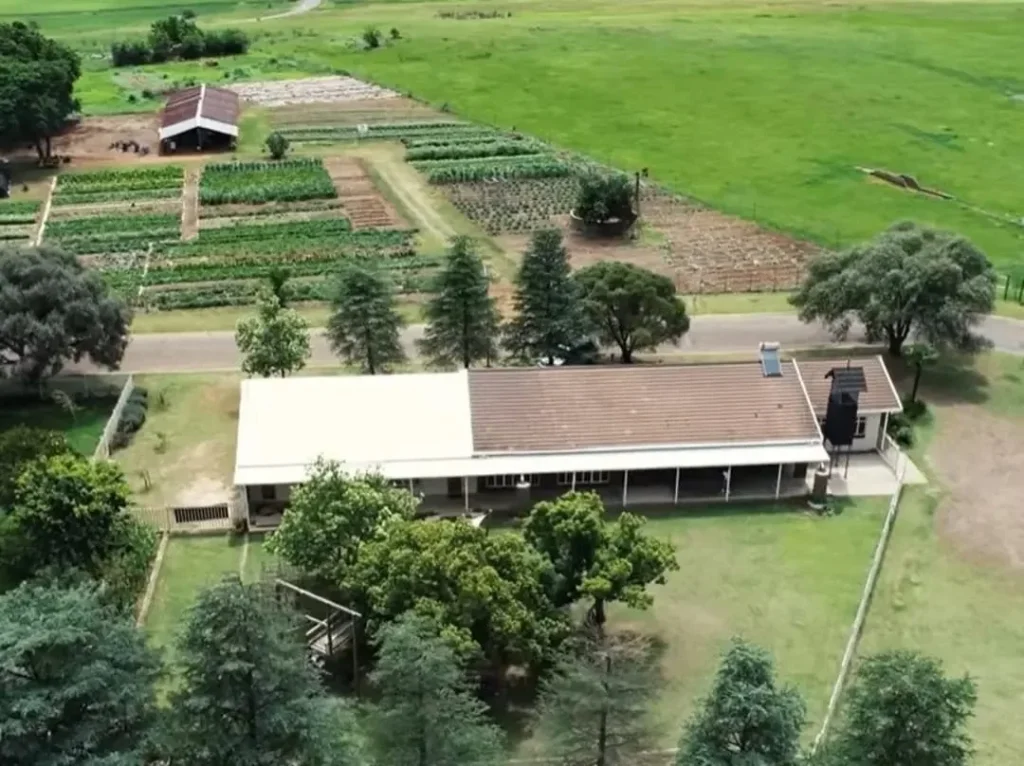
When I arrived in Newcastle, I became involved in a community project in a poorer part of town. Originally started by another church, the project served vulnerable children by providing food, help with homework, and a safe place to spend their time. Part of the project was a vegetable garden. There was already a large area available and a few men working in it. I joined in enthusiastically, bought tools and other agricultural inputs, and helped expand the garden.
But after the first harvest, I became increasingly disappointed. The workers stopped cultivating the garden. When I asked them why, their answer surprised me: they were waiting for me to bring more inputs and tell them what to do next.
I began to realise that, despite our good intentions, we were not really equipping these people to take responsibility for the project. We had become the providers, the decision-makers, and the ones expected to solve every problem. Instead of fostering initiative and independence, we were creating dependency. We risked leaving people less able to continue on their own than they had been before.
It was around this time that I discovered Farming God’s Way. I received training and began putting its principles into practice over the following years. What I discovered was much more than a collection of agricultural techniques. It offered a way of thinking about farming, stewardship, Christian discipleship, and the Church’s service to its neighbours.
Farming God’s Way: more than an agricultural technique
I would describe Farming God’s Way as an agricultural stewardship catechism. It teaches us to ask not only how to produce a harvest, but also why we farm, how we manage our work, and how we care for the land God has entrusted to us.
The approach brings together three dimensions: biblical principles, management principles, and practical agricultural technologies. Put simply, we learn why we do things from the Bible, how we organise and manage our work through sound management principles, and what practical methods we use through agricultural technology.
These dimensions belong together. Good techniques without good management can result in wasted resources and poor harvests. Good management without a sound understanding of our responsibilities can serve selfish ends. And biblical knowledge that never translates into practical love for our neighbours remains disconnected from many of the everyday challenges people face.
Farming God’s Way seeks to bring these dimensions together, helping farmers work consistently, responsibly, and towards sustainable production.
The biblical foundation: why we farm
The biblical principles teach us to acknowledge God in everything we do, to examine our ways and recognise where we have gone wrong, and to trust in His sufficiency and provision. We learn to recognise that what we possess is ultimately a gift entrusted to us by God.
We are also taught generosity: to share what we have received and to give from the fruits of our labour. We learn to commit our lives and our land to God in prayer, asking Him to guide us as we represent Him in our fields, our homes, and our communities.
These teachings have implications beyond agriculture. When a harvest is plentiful and income increases, we need wisdom to use that abundance well. When a harvest fails, we need faith, perseverance, and the support of our neighbours. Christian stewardship concerns both how we produce and how we use what we produce.
The management principles: how we work
Farming God’s Way emphasises doing things to a high standard, at the right time, with minimum wastage. Farmers learn to plan their work, use available resources carefully, and take responsibility for the tasks entrusted to them.
A central principle is to start small and be faithful with what we have. Rather than beginning a large project that requires resources we cannot sustain, we begin with what is available, learn from our mistakes, and build on what works. Small mistakes become opportunities to learn instead of expensive failures.
We also learn patience. Healthy soil, reliable farming practices, and sustainable enterprises develop over time. Consistency and faiyhfulness are more valuable than enthusiasm that lasts only for a season.
Finally, we seek to carry out our work in keeping with the fruit of the Holy Spirit. Our relationships with workers, fellow farmers, customers, and neighbours should reflect love, patience, kindness, faithfulness, and self-control. Agricultural success achieved through exploitation or dishonesty would contradict the very stewardship we seek to practise.
The agricultural technologies: what we do
The practical methods of Farming God’s Way are closely related to conservation agriculture and regenerative agriculture. They focus on working with the soil and its natural processes rather than continually exhausting it.
Three particularly important principles are minimal soil disturbance, maintaining soil cover, and ensuring good crop cover.
First, we minimise soil disturbance rather than repeatedly ploughing and turning the soil. This helps protect soil structure and the living organisms that contribute to soil health.
Second, we keep the soil covered with a protective layer of mulch, which Farming God’s Way calls “God’s blanket.” This blanket protects the soil from direct sunlight and the impact of heavy rain, helps conserve moisture, and creates a more favourable environment for soil organisms. As organic matter decomposes, it can contribute to improving soil structure and fertility.
Third, we aim for canopy closure: arranging crops at suitable spacing so that their leaves cover the soil as they grow. This helps reduce direct sunlight reaching the ground and can suppress weed growth. Correct spacing and timely planting are therefore essential.
The approach also emphasises permanence. By establishing permanent planting lines and walking paths, farmers avoid unnecessary disturbance and compaction of their growing beds. Fixed spacing makes planting more consistent and helps organise work efficiently.
Finally, we feed the soil with suitable organic materials, including compost and well-managed manure. Wood ash can also supply certain nutrients, particularly potassium and calcium, and release the nutrient typically tied up im acidic African soil. The aim is to improve soil fertility using appropriate, locally available resources wherever possible, while addressing any nutrient deficiencies that require additional inputs.
These methods can help farmers use rainfall more effectively, protect their soils, and become more resilient to droughts and intense rainfall. They cannot eliminate the effects of extreme weather, and results depend on local conditions and sound implementation. Nevertheless, even when a difficult season prevents a bumper harvest, better soil and water management can help protect a farmer’s ability to produce food.
A tool for the Church’s mission
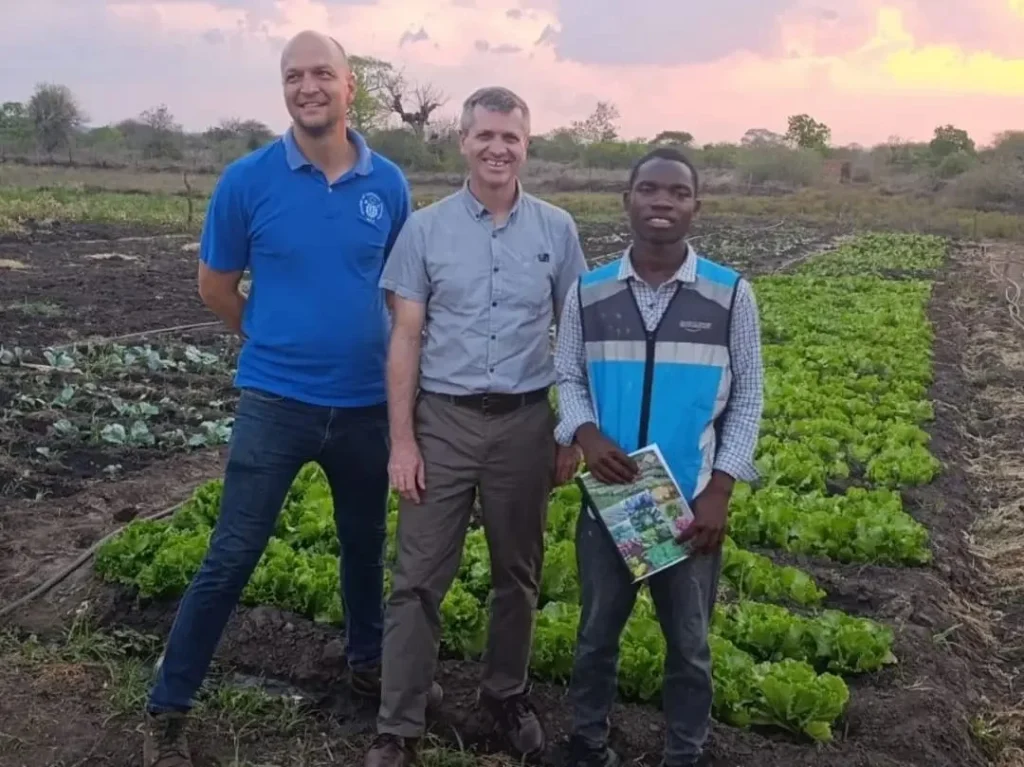
Over the years, I have seen Farming God’s Way put into practice in Newcastle, in community projects around us, and in places where families depend directly on what they grow to eat. I have also seen its relevance in countries such as Malawi, and I am currently exploring its potential here in Mozambique.
For subsistence farmers who live from hand to mouth, the consequences of a failed harvest are immediate. They may have no savings to fall back on and little money to buy food when their own crops fail. For these families, improved soil management, careful planning, and better use of locally available resources can make a significant difference.
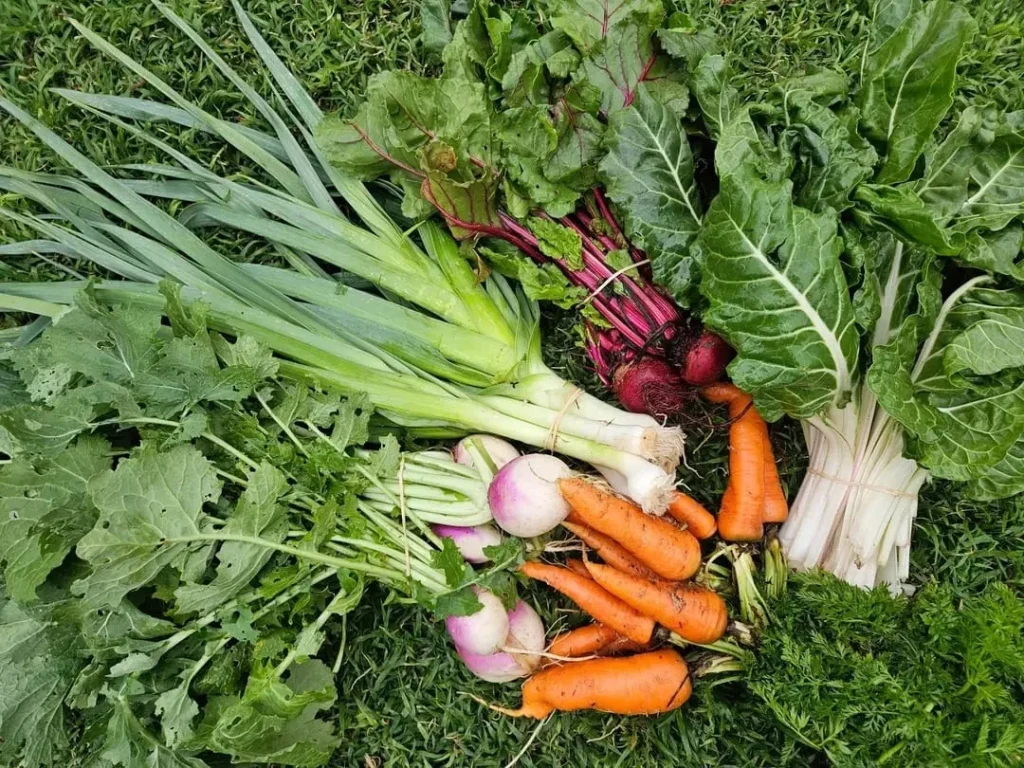
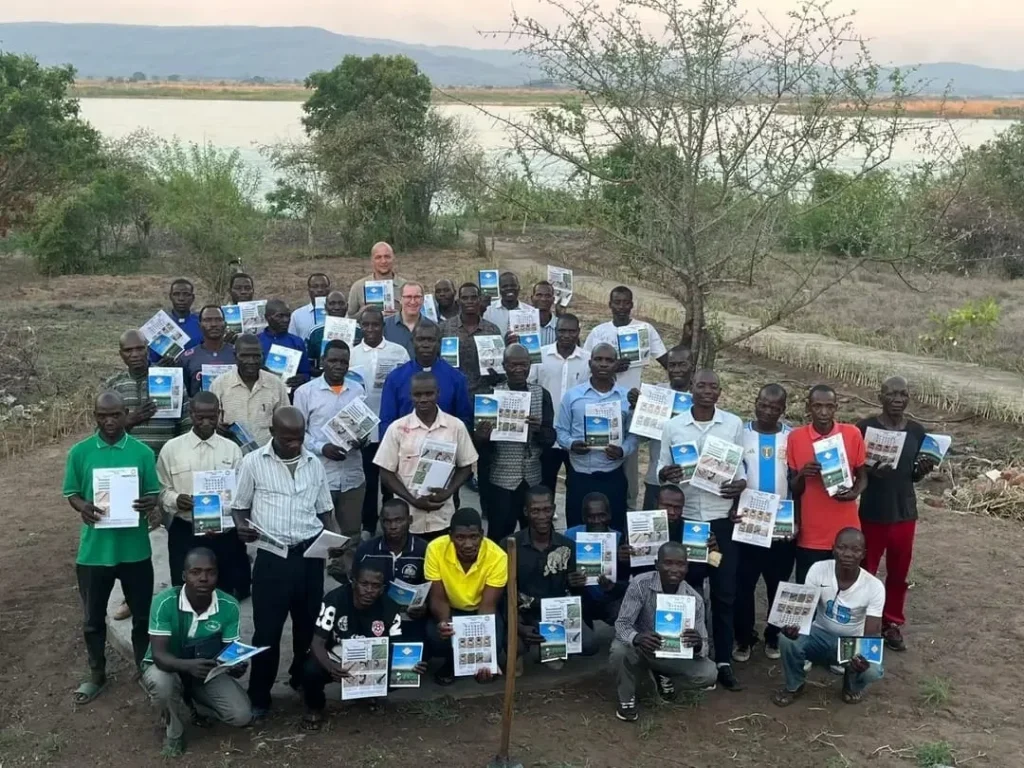
Farming God’s Way offers churches a practical way to serve such communities. A congregation can establish a demonstration garden, train a group of farmers, and encourage them to share what they learn with their neighbours. Churches can connect agricultural training with other initiatives, such as vegetable production, seedling enterprises, composting, and the development of local markets.
The goal must be to equip people rather than make them dependent on external assistance. This means involving local farmers in decision-making, allowing them to take ownership of their work, and helping them develop skills they can pass on to others. It also means recognising that agricultural training alone cannot overcome every cause of poverty. Access to land, markets, infrastructure, education, and other resources matters too.
For the Church, this is a particularly fruitful form of service because it connects the teaching of God’s Word with the everyday lives of the people we serve. Farming God’s Way can become a tool for discipleship, teaching practical wisdom, responsibility, generosity, and care for creation. Yet it must always remain clear that the Church does not proclaim an agricultural method as the way of salvation. We proclaim Jesus Christ, crucified and risen for us, and serve our neighbours because we have first been served by Him.
The cross, our neighbours, and the soil
The more I reflect on Farming God’s Way, the more I see its connection with the shape of the Christian life. The cross directs our eyes upwards, towards God, who has reconciled us to Himself through Jesus Christ. Through Christ’s forgiveness, we learn to walk before God in faith and gratitude.
At the same time, the cross directs our eyes outwards, towards our neighbours. We are called to love them, care for them, and share with them the gifts God has entrusted to us. When our fields produce a surplus, we have an opportunity to be generous. When our neighbours face hardship, we have an opportunity to help.
And the cross reminds us to look downwards, towards the ground from which we live. The Hebrew words adam (human being) and adamah (ground or soil) are closely related, recalling the biblical account of humanity formed from the dust of the earth. We are creatures, dependent on God’s provision, entrusted with the care of His creation, and destined to return to the dust.
This perspective guards us against both pride and exploitation. We are neither the owners of creation in an absolute sense nor helpless recipients who have nothing to contribute. We are stewards, called to work diligently, care faithfully, and share generously.
For me, Farming God’s Way has become one practical expression of this calling. It teaches us to cultivate the land wisely, to manage our resources responsibly, and to help people develop the knowledge and confidence to provide for themselves and their families.
If the Church can combine this practical service with the faithful proclamation of the Gospel, we can help address both material needs and spiritual hunger. We can equip people not merely to receive assistance, but to become active stewards and servants in their own communities.
The earth belongs to the Lord. The land, our work, and the harvest are gifts entrusted to us. May we learn to use them faithfully, for the good of our neighbours and to the glory of God.
“The earth is the LORD’s, and the fulness thereof; the world, and they that dwell therein.” – Psalm 24:1 (KJV)
More information and resources are available (also in Portuguese) at: https://farming-gods-way.org/resources/